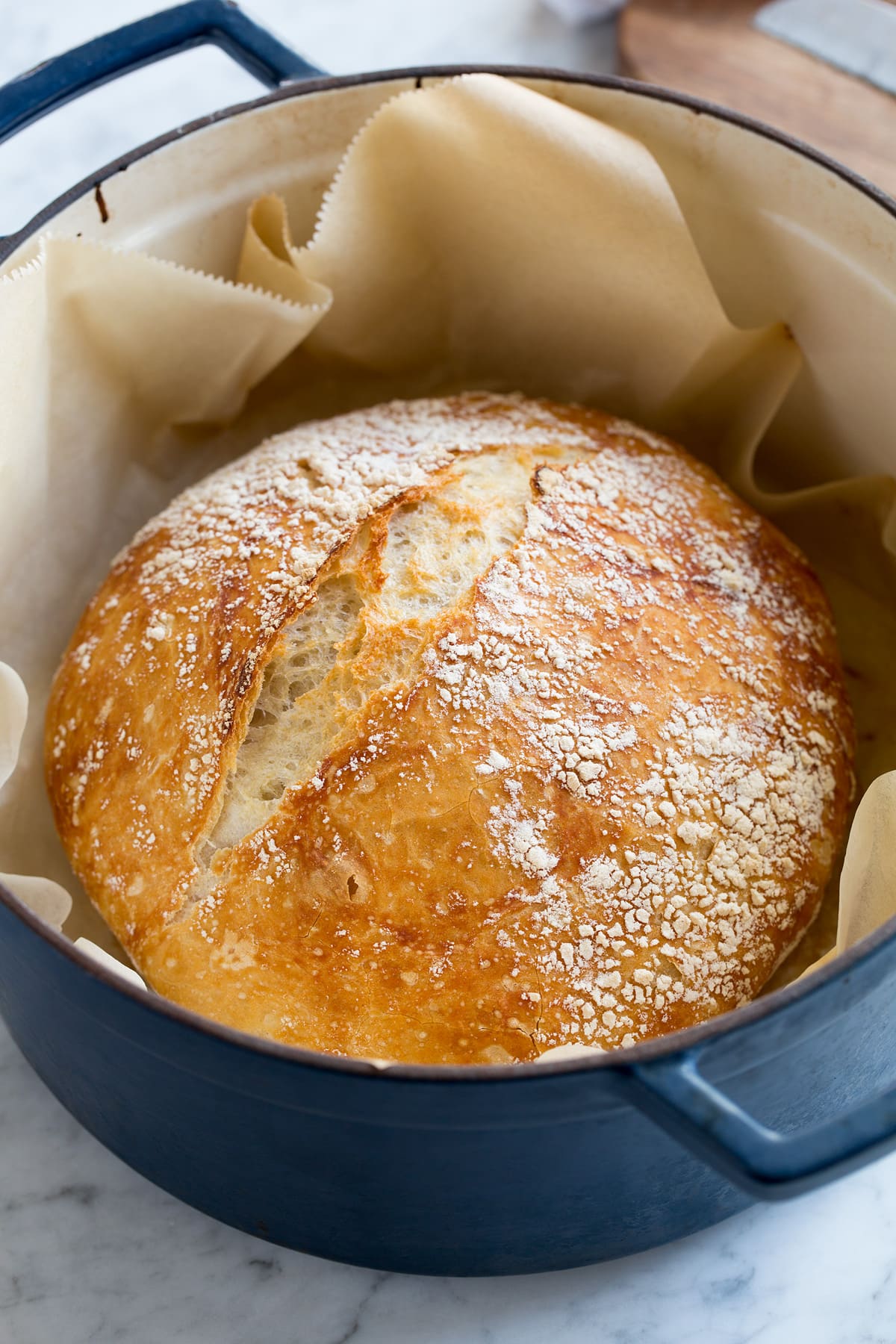
Unlock the Magic of Ingredient Crusty Bread: Your Foolproof No-Knead Artisan Recipe
Imagine a warm, fragrant loaf of artisan bread, straight from your oven, with a gloriously crackly crust and a soft, airy interior. Now, imagine achieving this perfection without a stand mixer, without a Dutch oven, and without spending hours kneading dough. Sounds like a dream, right? Welcome to the world of Easy No-Knead Rustic Bread: Bakery-Style Loaf in 2 Hours. This revolutionary approach to homemade baking makes crafting a truly phenomenal crusty rustic bread its no knead secret weapon, accessible to even the most novice bakers. Get ready to impress yourself and everyone at your table.
For too long, the idea of making artisanal bread at home has been shrouded in an air of complexity, often requiring specialized equipment and advanced techniques. But this recipe shatters those myths. With just four basic pantry ingredients and minimal hands-on time, you can create a loaf that rivals any bakery offering. Whether you're planning to dunk it into a hearty soup, transform it into elegant bruschetta, or build the ultimate panini, this no-knead wonder is destined to become your kitchen's unsung hero. It's truly miraculous how effortlessly an incredible loaf emerges, promising a deliciously crisp crust and a soft, chewy, moist interior every single time.
The Simplicity of No-Knead: Why It Works
The beauty of this crusty rustic bread its no knead methodology lies in its brilliant simplicity. Instead of vigorous kneading to develop gluten, this recipe harnesses the power of time and hydration. By allowing the dough to rest for a few hours, the gluten strands naturally relax and align, creating that desirable structure and airy texture. This process, often referred to as autolysis, allows the flour to fully hydrate, resulting in a more flavorful and tender crumb.
You might be surprised that a mere 2-3 hour rise is all it takes, rather than an overnight fermentation. While overnight methods certainly have their place for deeper flavor development, this quicker approach still yields fantastic results, making artisan bread a possibility even on a busy weeknight. This recipe is designed to deliver maximum flavor and texture with minimum fuss, proving that homemade doesn't have to mean complicated. It’s an incredibly inexpensive way to enjoy high-quality bread, relying on just a few pantry staples.
Your Foolproof Ingredient Crusty Bread Recipe
Gather your ingredients, clear a little counter space, and prepare to embark on a delightful baking journey. This recipe uses readily available items and straightforward steps.
Ingredients You'll Need:
- 3¼ cups (400g) All-Purpose Flour (plus extra for dusting)
- 1 tsp Sea Salt
- 2 tsp Instant Yeast (or active dry yeast; if using active dry, proof it first in a small amount of the warm water)
- 1½ cups Warm Water (ideally between 105-115°F / 40-46°C – warm to the touch, but not hot)
Pro Tip: For a larger loaf or two smaller ones, simply double the ingredients! You'll need 6¼ cups all-purpose flour, 2 tsp sea salt, 1 packet (2¼ tsp) instant yeast, and 3 cups warm water. Follow the exact same steps and bake for approximately 45 minutes.
Step-by-Step Baking Instructions:
- Mix the Dough: In a large mixing bowl, whisk together the flour, sea salt, and instant yeast. Make sure these dry ingredients are thoroughly combined. Add the warm water and, using a sturdy spatula or even your clean hands, mix until a soft, shaggy, and sticky dough forms. Don't be alarmed by the stickiness – this is perfectly normal and exactly what you want for a moist, tender crumb. Resist the urge to add more flour at this stage, as it can make your bread dense.
- Let it Rise (The Magic Happens!): Cover the bowl tightly with plastic wrap to prevent the dough from drying out, then drape a clean kitchen towel over it for insulation. Let the dough rise at room temperature for 2 to 3 hours. The ideal environment is a warm spot, free from drafts. You'll know it's ready when it has significantly doubled in size and the surface is visibly bubbly. This fermentation is where the flavors develop and the yeast works its wonders, transforming your simple ingredients into something truly special.
- Shape the Loaf: Lightly flour your work surface and your hands. Gently turn the risen dough out onto the floured surface. It will still be quite sticky, so embrace it! Resist adding excessive flour, as this can toughen the crust. Carefully and gently shape the dough into a round or oblong loaf by folding the edges towards the center, then flipping it over to create a smooth top. The key here is to handle the dough as little as possible to maintain its precious air pockets. Do not knead it! This light touch is critical for a light, airy crumb.
- Preheat the Oven & Stone/Pan: Place a pizza stone (or a heavy-bottomed cast iron pan/Dutch oven) in your oven. Preheat your oven to a blazing 450°F (232°C) for at least 45 minutes. This extended preheating time ensures your baking surface is screaming hot, which is crucial for achieving that characteristic crisp crust. On the bottom rack, place an oven-safe dish with about 2 inches of water. This creates steam in the oven, which is absolutely key for a beautiful, crackly crust. Without sufficient steam, your crust will be dull and tough.
- Score & Rest: Carefully transfer your shaped dough onto a piece of parchment paper or a lightly floured pizza peel. Using a sharp knife or a bread lame, score the top of the loaf with an "X" or a few diagonal slashes. Scoring allows the bread to expand predictably in the oven, preventing uncontrolled tearing and adding to its artisan appeal. Let the dough rest while the oven continues to heat up.
- Bake the Bread: With extreme caution, slide the parchment paper and dough onto the hot pizza stone or carefully place it into your preheated cast iron pan. Close the oven door quickly to trap the steam. Bake for 30 to 45 minutes. The baking time will vary slightly depending on your oven and the size of your loaf. You'll know it's done when it's a deep golden brown and sounds hollow when tapped on the bottom.
- Cool Completely: This step is often overlooked but is paramount for success! Transfer the freshly baked loaf to a wire cooling rack and allow it to cool completely before slicing – ideally for at least an hour, or even two. Cutting into warm bread traps moisture inside, which can lead to a gummy interior and a soft, rather than crisp, crust. Patience is a virtue here, and it will be richly rewarded with the perfect texture you crave from a crusty rustic bread its no knead champion.
Achieving the Ultimate Crust and Crumb
The magic of this Authentic Italian Crusty Bread: No Machine, Just Simple Homemade Perfection lies in its texture. Here’s a deeper dive into the elements that guarantee that perfect result:
- The Power of Steam: We cannot emphasize enough the importance of the water dish in the oven. The steam created during the initial baking phase keeps the crust moist, allowing it to expand fully before it sets. Once the steam dissipates, the high heat then crisps up the outer layer, leading to that signature golden-brown, shattering crust. Don’t skip this step!
- High Heat is Your Friend: A blazing hot oven ensures a rapid oven spring (the final burst of rising in the oven) and sets the crust quickly, trapping moisture within the loaf. This combination is what gives you a light, airy crumb structure.
- Resist Over-Handling: The less you manipulate the dough after its initial rise, the better. Over-handling degasses the dough, collapsing the delicate gluten structure you’ve worked so hard to develop, resulting in a dense bread.
- The Cooling Rack is Essential: Cooling the bread on a rack allows air to circulate around the entire loaf, preventing condensation from forming on the bottom and softening that beautiful crust. It also allows the internal structure of the bread to fully set, ensuring a perfect texture when sliced.
Serving Suggestions & Storage Tips
Once your magnificent crusty rustic bread its no knead loaf has cooled, the possibilities are endless. Its robust flavor and incredible texture make it versatile for a myriad of culinary adventures:
- Soup & Stew Companion: The ultimate dipper for hearty stews, chili, or rustic Italian soups like ribollita or Pappa al Pomodoro.
- Bruschetta Base: Slice, toast, rub with garlic, drizzle with olive oil, and top with fresh tomatoes and basil for an exquisite appetizer.
- Sandwich & Panini Perfect: Elevate your everyday sandwiches or press into delicious paninis.
- Cheese Board Star: A beautiful addition to any cheese and charcuterie board.
- Simple Pleasure: Don't underestimate the joy of a thick slice simply slathered with good quality butter or dipped in olive oil and balsamic vinegar.
Storing Your Homemade Loaf:
To keep your artisan bread at its best, store it at room temperature in a plastic bag, a clean kitchen towel, or a bread box for up to 2-3 days. Avoid refrigerating bread, as it tends to dry it out quickly.
If your loaf starts to lose a bit of its fresh charm after a day or two, don't despair! You can easily revive it by lightly toasting slices, or repurpose it into flavorful croutons, breadcrumbs, or add it to rustic Italian soups mentioned above. This is truly one of those back-pocket staple recipes you’ll find yourself memorizing.
Conclusion
Baking homemade bread doesn't have to be an intimidating endeavor. This ingredient-focused, no-knead artisan recipe demystifies the process, proving that anyone can achieve bakery-quality results right in their own kitchen. By understanding a few simple principles – the power of time over kneading, the importance of steam for a perfect crust, and patient cooling – you can consistently produce a delicious crusty rustic bread its no knead loaf that will become a beloved staple in your home. So, gather your ingredients, follow these straightforward steps, and prepare to savor the incredible taste and aroma of your very own foolproof, homemade artisan bread.
